This project addresses the social isolation of elders in the urban neighbourhoods of Singapore. I explore how we might form organic and intergenerational companionships between neighbours/families in shared spaces. In 2017, the number of elders who took their own lives in Singapore, peaked at 129 and social disconnect was cited as a contributing factor. As a firm believer of the importance of emotional design in cities, the way our environment is built has the power to augment or dictate the way we behave and interact together. Today, as Singapore’s built environment grows to cater to more young families, our elders continue to live alone in neighbourhoods that make them more invisible and forgotten. How might we create a deeper sense of social inclusion for the elders living in our neighbourhoods?
Today’s design of our city has unexpectedly disrupted organic social interactions between our shared living spaces. In Singapore, as our ageing population rises, more elders are living alone – slowly isolating themselves from the rest of their neighbourhood’s community.
In the context of our common living spaces, like community parks or playgrounds, where both the young and old gather, we observe how both groups share the same space yet have become so disconnected. Hence, how might we promote the start of bonds between the two groups in a neighbourhood, to strive for a socially inclusive urban space for elders?
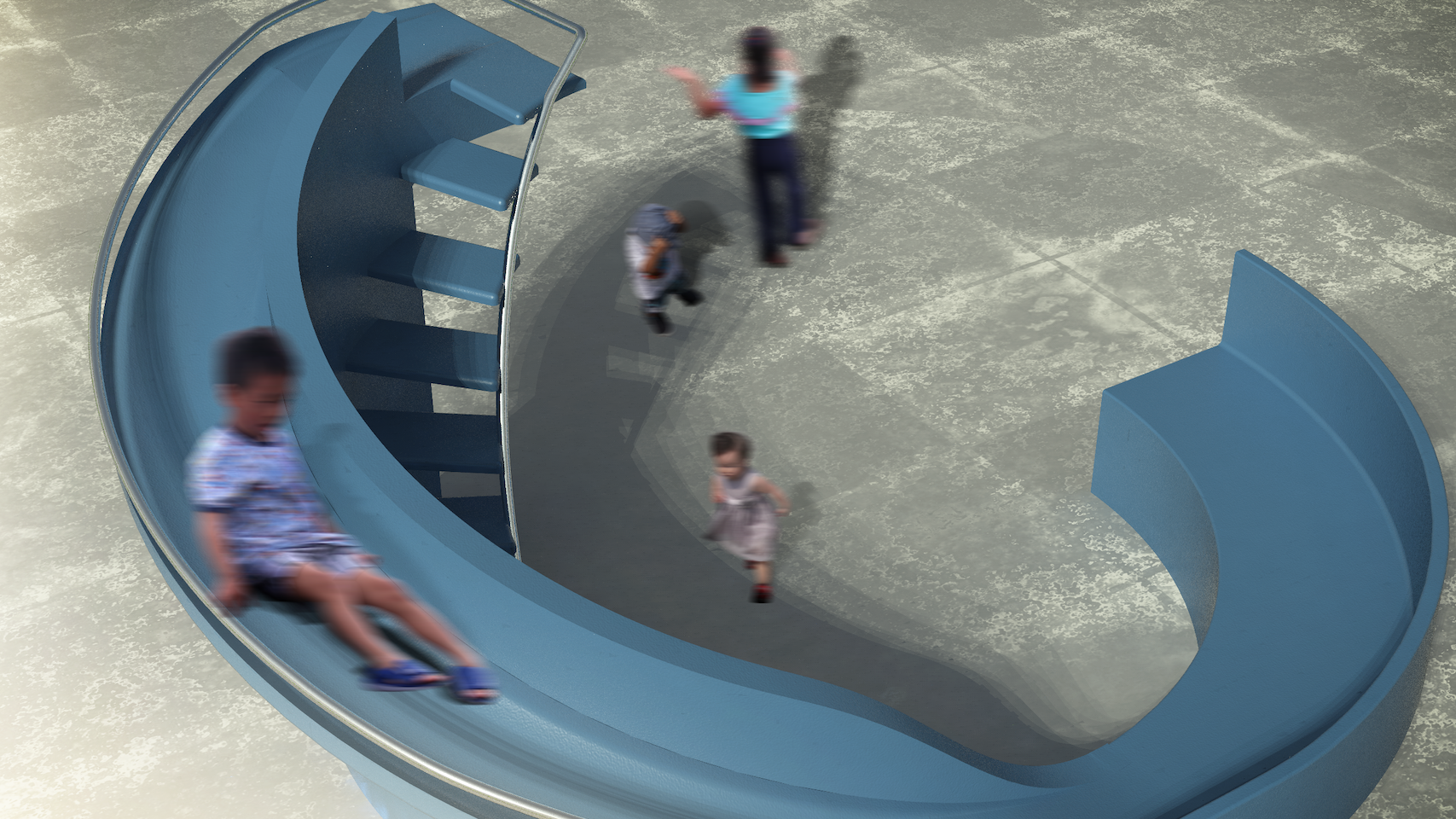
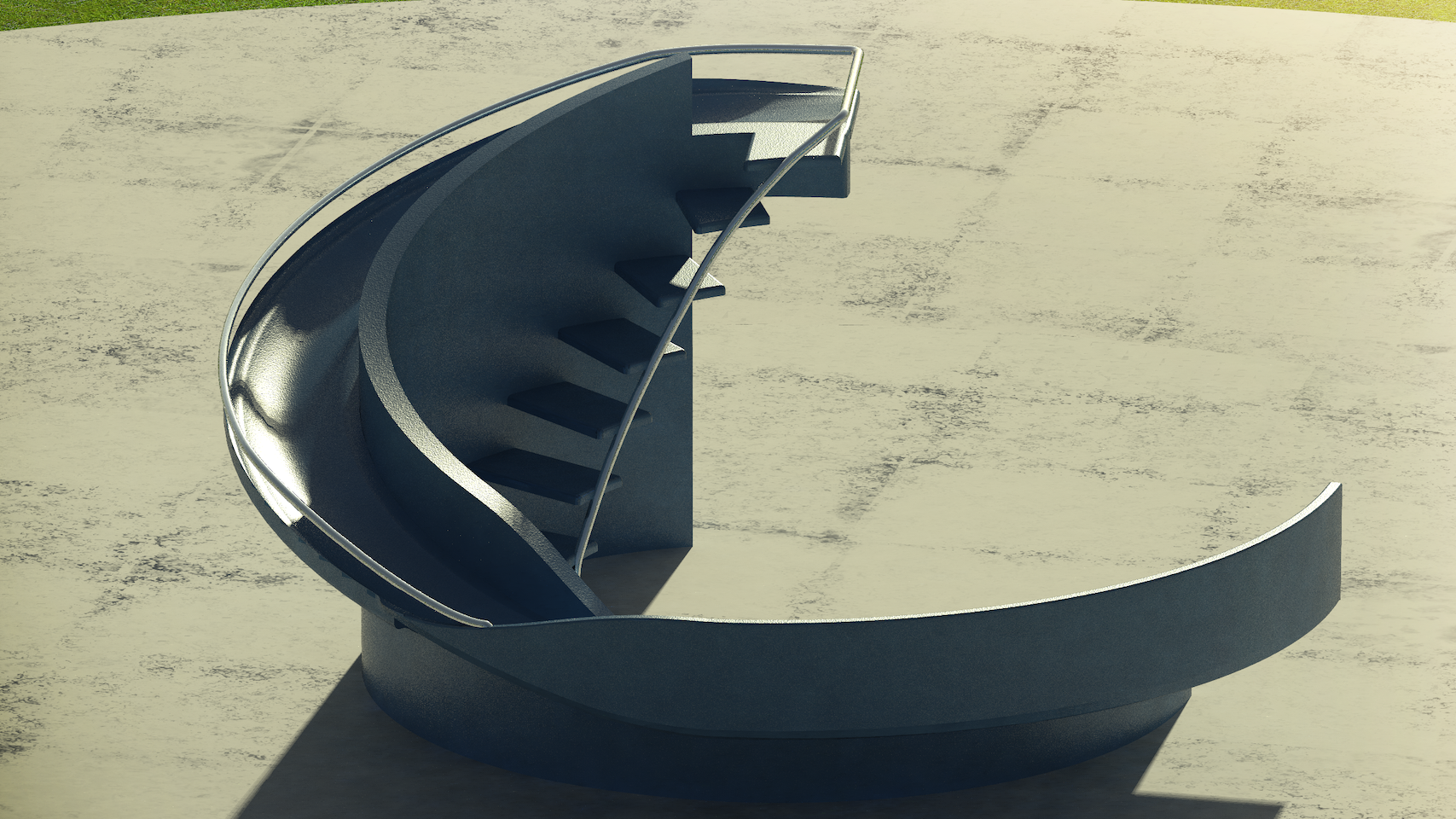
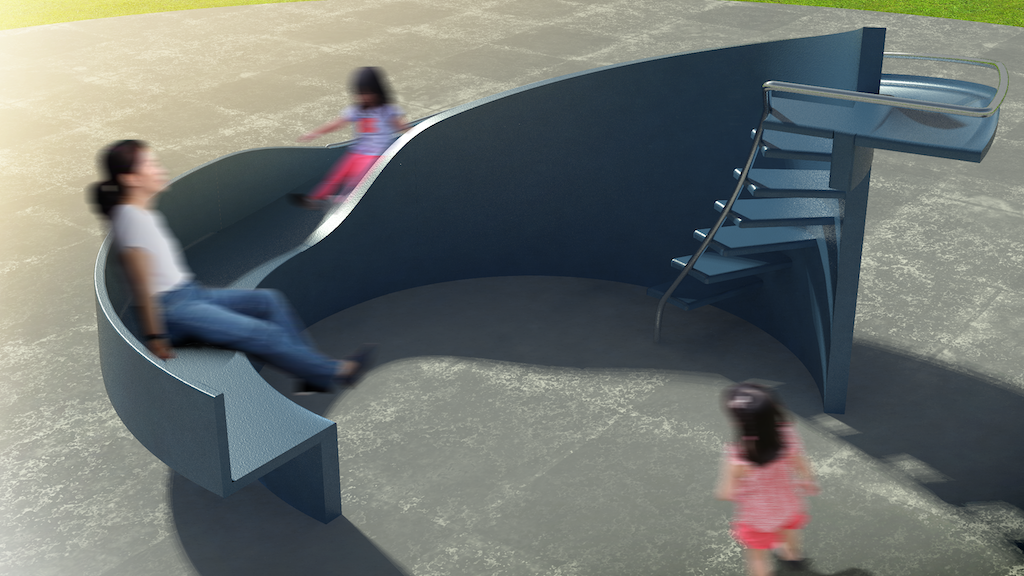
Slide Bench explores witty modifications on playground furniture to afford for non-verbal interactions between the 2 groups. The hybridisation of playful components in a child’s playground with the restful nature of a park bench aims to bring together the openness of a playing child with elders. The subtle nudge afforded by the Slide Bench, creates opportunities for interaction. Thus, leading to gradual trust and social receptiveness between the parties.
The Slide Bench is one configuration that achieves this balance of an encounter. Thus, showing the many possibilities of social experiences that can be designed through delicate combinations of existing urban furniture.